

Heat stroke
How does normal thermoregulation work?
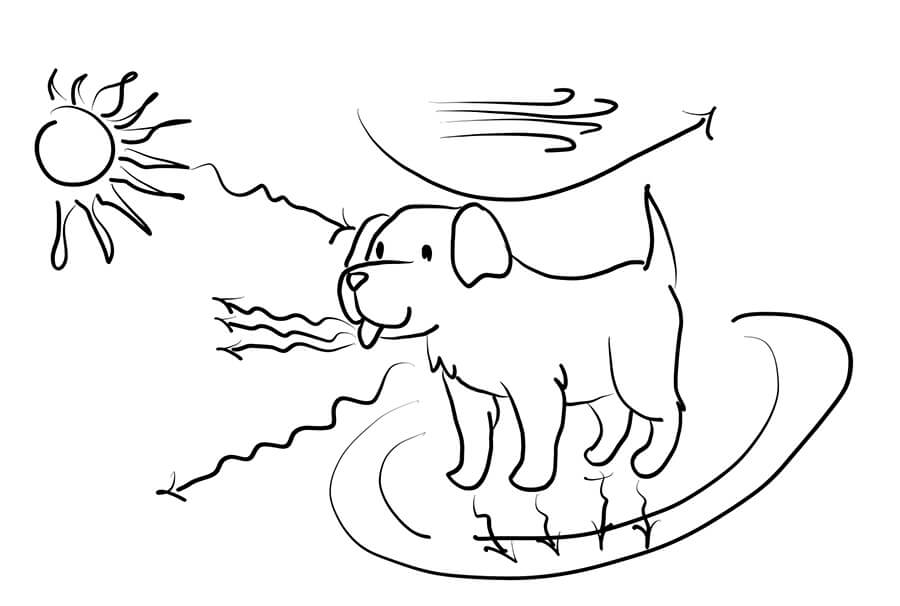
Dogs and cats normally release 70 % of excess heat energy into the environment through 2 mechanisms (Fig. 1):
- directly in the form of radiation
- via a medium, e.g. a cool draught of air (convection) or direct contact with cool surfaces (conduction)
However, this requires a temperature difference between the inside of the body and the environment. For this to be effective, the blood vessels in the skin must be dilated (vasodilation) so that as much heat as possible can be transported from the inside to the outside and released.
When ambient temperatures rise, another mechanism becomes increasingly important: the release of heat via the evaporation of water (evaporation). However, as our pets do not (or hardly) sweat, they have to do this by breathing (panting, Fig. 1).
Good to know - problems with thermoregulation
The natural mechanisms for thermoregulation cannot fulfil their function properly if ...
- the animal is in a closed room where heat builds up.
- the humidity is too high and evaporation (panting) is therefore ineffective.
- malformations or diseases of the upper respiratory tract are present which restrict breathing (brachycephaly, laryngeal paralysis, tracheal collapse).
- Hypovolaemia or heart disease impair blood circulation to the skin.
- Obesity or very thick fur prevent heat dissipation through the skin.
What does heatstroke do?
The combination of dilated vessels and increased fluid loss due to panting can lead to a lack of volume in the vascular system (hypovolaemia), which can progress to shock.
If the possibilities for compensation are exhausted, a further increase in body temperature leads to an acute inflammatory reaction that affects the entire body. The inner lining of the blood vessels (endothelium) is damaged and the intestinal mucosa can also become permeable to bacterial toxins, which then enter the bloodstream. As part of the body-wide inflammation, the blood coagulation system is also activated. Tiny blood clots (microthrombi) form, which block the smallest blood vessels and can lead to organ damage. The kidneys, lungs, brain and even the gastrointestinal tract can be affected.
Possible consequences of heatstroke:
- Shock
- diarrhoea
- vomiting
- Swelling of the airways, shortness of breath
- Acute kidney damage
- septicaemia
- coagulation disorders (DIC)
- haemorrhages
- cardiac arrhythmias
- Circulatory disorders in the brain, cerebral oedema
- Gastric ulcers
What do patients with heat stroke look like?
Not all patients present with an elevated body temperature. Depending on how long ago the overheating occurred and whether the owners have already taken measures, they may arrive with an elevated, normal or even a lowered temperature.
Most patients present with symptoms of shock:
- increased heart rate
- reddened mucous membranes
- weak pulse
- impaired consciousness
- usually accelerated and laboured breathing
Loud breathing noises can also be heard, especially in brachycephalic patients and those with previous upper respiratory tract diseases. Vomiting and diarrhoea also occur frequently. In particularly severely affected animals, head tremors, acute blindness, small haemorrhages in the skin or mucous membranes and bloody urine can also be observed.
What is involved in the care of a heat stroke patient?
As with any emergency patient, a brief emergency examination (triage, box: Treatment of a heatstroke patient) is part of the initial treatment. In particular, breathing, cardiovascular system, body temperature and state of consciousness are assessed and appropriate measures are initiated.
Tip:
In any case, you can already start administering oxygen and have everything ready for venous access and infusion therapy.
In animals with convulsions or unconsciousness, blood sugar should be measured and glucose solution administered if necessary. Highly stressed animals and those with impaired respiratory function should be sedated. In the worst case, intubation may also be necessary. Active cooling depends on the current body temperature.
A few words about active cooling
Tip:
If the patient presents with a very high body temperature (over 40 °C), you should actively cool them down.
Cooling can be done in various ways:
- Drenching the coat with lukewarm water (15-30 °C, Fig. 2), preferably showering or immersing and setting up a fan
- Cooling packs in the area of the large blood vessels (jugular vein, groin area)
- Shearing with very dense undercoat
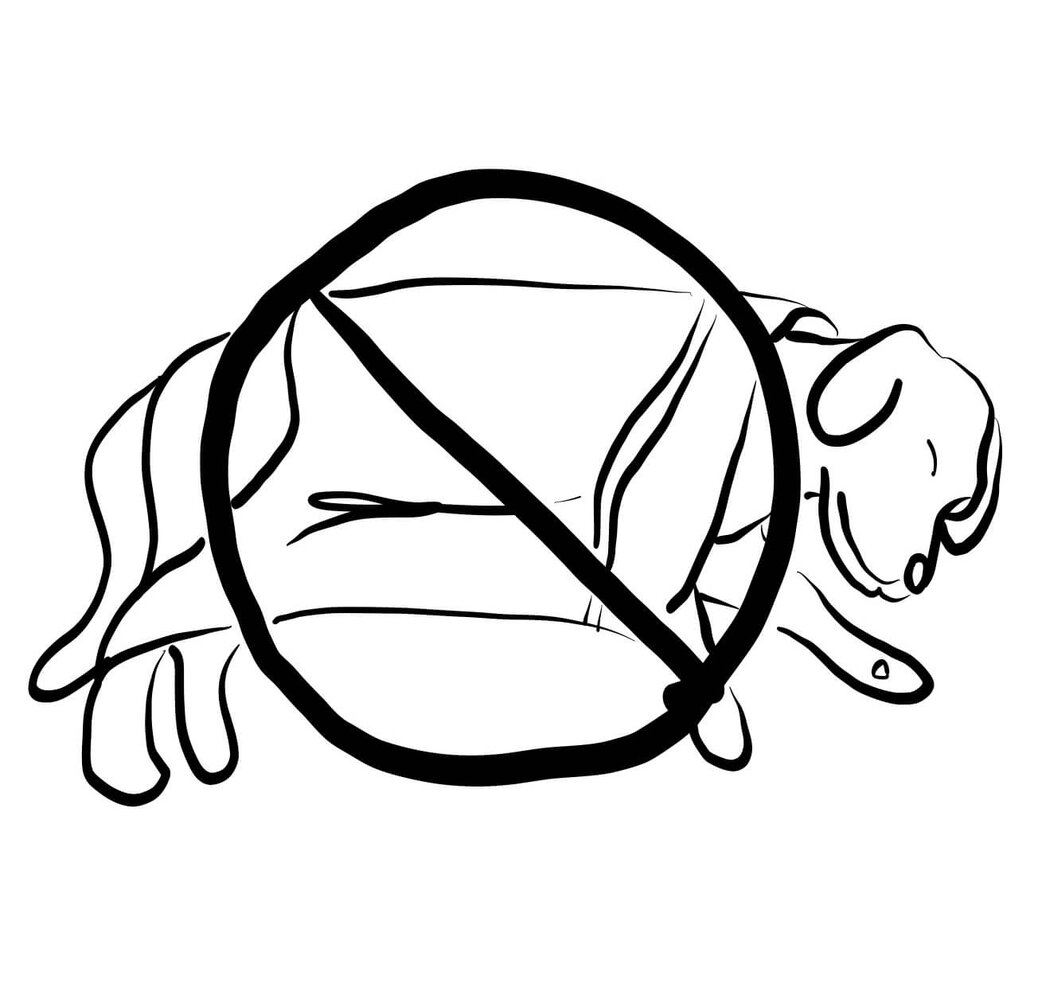
Please do not place wet towels on the patient (Fig. 3). They quickly become warm and then prevent heat dissipation through the skin, similar to a thick coat.
Cave
Rinsing the internal organs (gastric lavage, enema, urinary bladder lavage) can also be helpful, but also harbours risks (aspiration pneumonia, perforations, urinary tract infections). This should only be used if the other measures are not sufficient.
Good to know
Treatment of a heat stroke patient:
- Triage - A B C D E
- "Airways" - airway clear?
- "Breathing" - respiratory rate, pattern, sounds?
- "Circulation" - heart rate, mucous membrane colour, capillary refill time, pulse quality, temperature, consciousness
- "Disabilities" - seizures? Lateral position? Disorientation?
- "Exposure - sport in the sun? hot car?
- Oxygen (flow-by or mask)
- intravenous infusion
- active cooling
- Sedation if necessary
- Glucose solution if necessary
Tip:
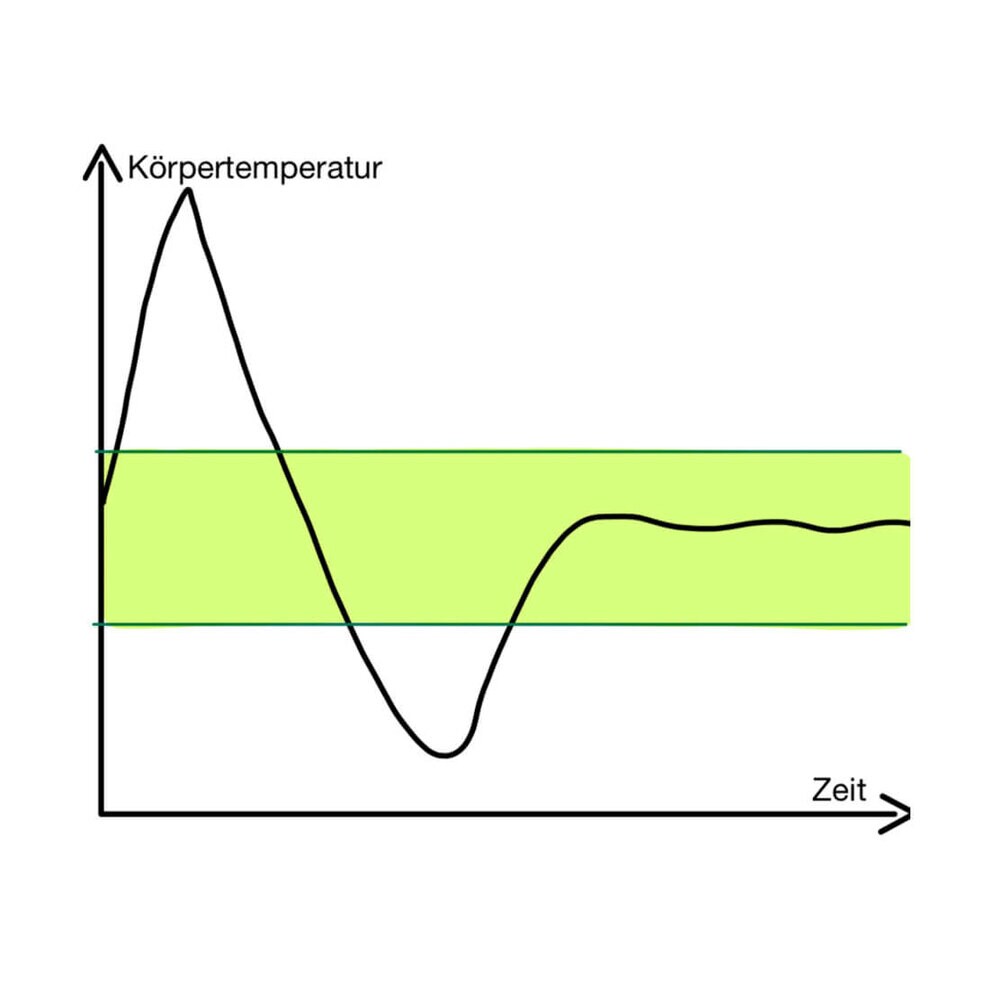
Active cooling is only used until the body temperature has dropped to 39.4 °C to avoid hypothermia.
Despite all precautions, the animals often become hypothermic (Fig. 4) and must later be kept warm with blankets or even actively warmed up again.
Checklist
What can you prepare if a heatstroke patient is announced by telephone?
- Oxygen
- Thermometer
- Bowl/bucket of water that is lukewarm when the patient arrives
- ventilator
- Everything for venous access and blood tests
- Infusion solution and infusion set
- Glucometer and glucose solution
- Everything for intubation
- Ambu bag
- If available, monitor with ECG, blood pressure, pulse oximetry, capnography
Short and sweet
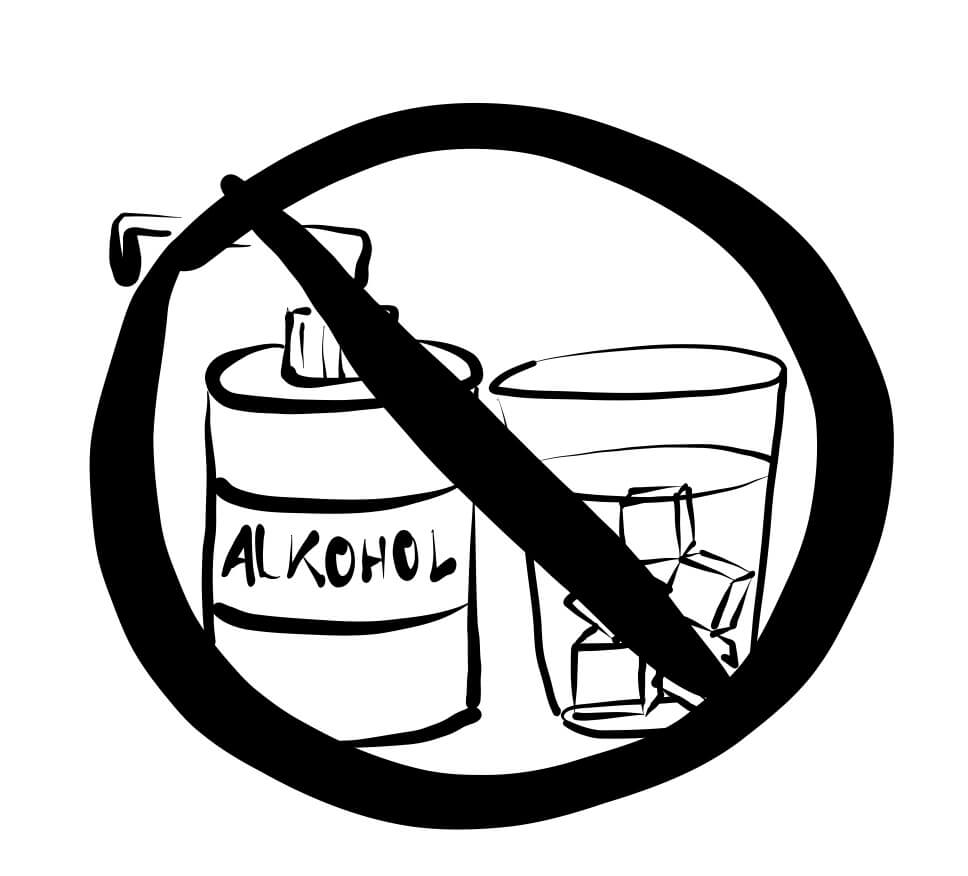
Evaporation, i.e. the evaporation of moisture through breathing, is the most important mechanism for releasing heat in hot temperatures. Patients with heat stroke are real emergencies and can suffer severe damage from overheating. The most important measures are oxygen, infusion therapy and active cooling of the patient. Cooling should always be done with lukewarm water, not ice water or alcohol. If the patient is unable to breathe normally, they may need to be intubated.
All images © WDT based on a template by Ute Klein-Richers