
The long history of the WDT
From a turbulent foundation and rapid acceptance in the industry, through future-changing strokes of fate, to where we are today. Discover the eventful history of WDT here.
1904
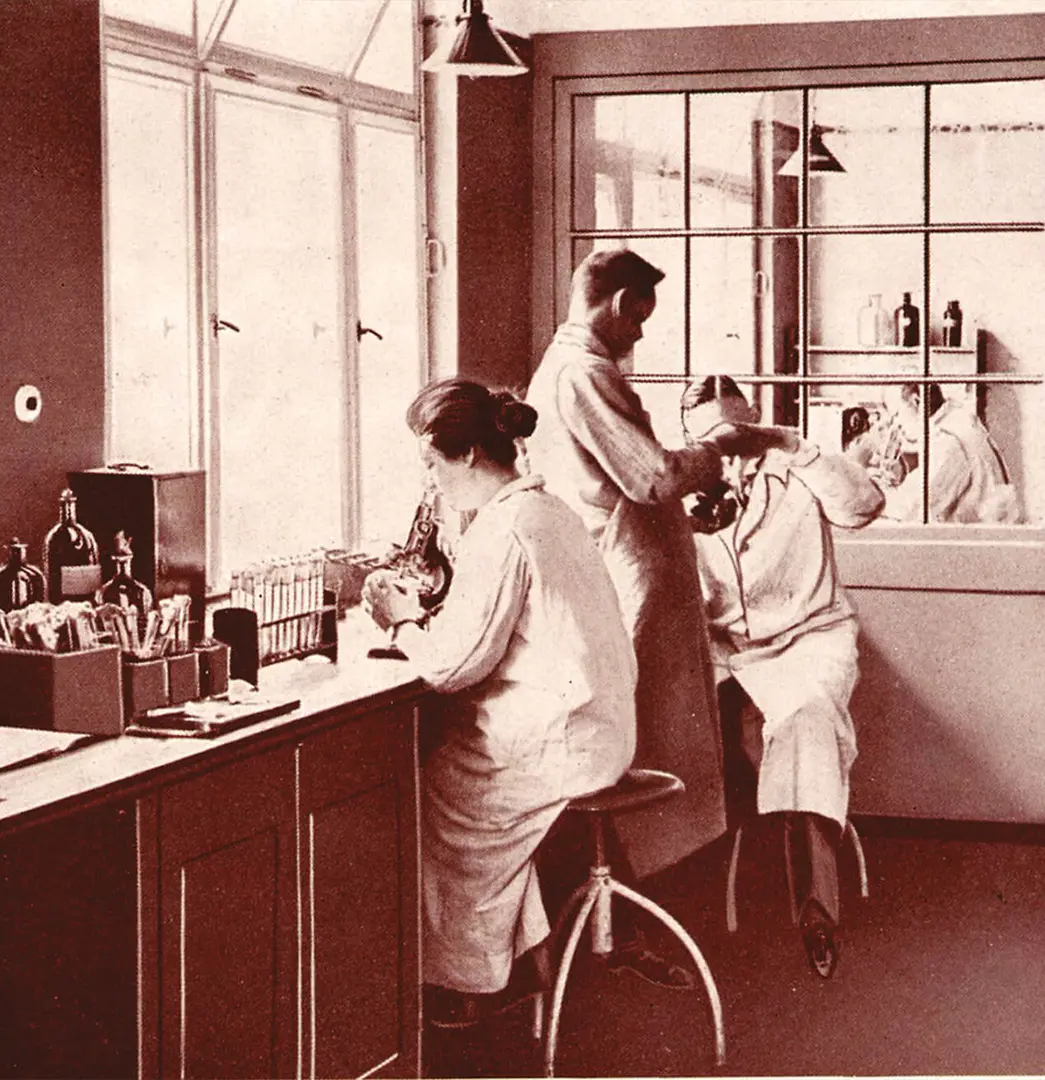
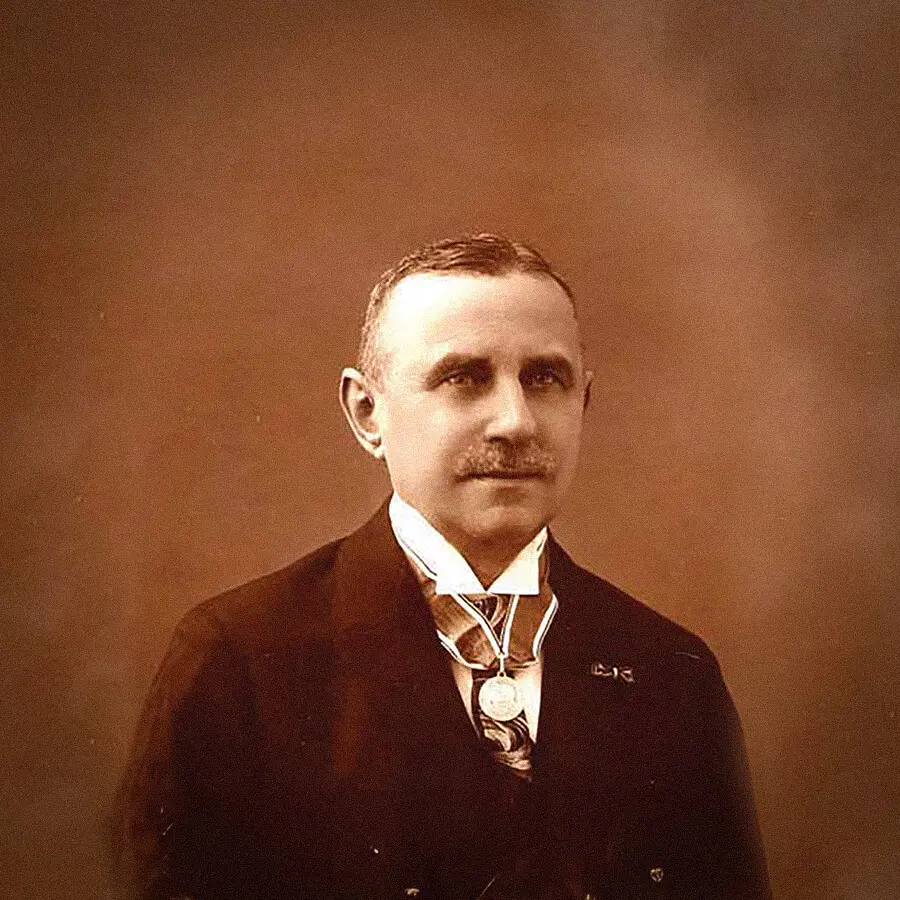
Foundation of the WDT by Dr Karl Marks in Poznan
The WDT was founded at a time when many vets were struggling economically. In 1904, the "freedom of courier" still existed, which allowed anyone to carry out medical treatment, regardless of their training. Vets often ran a smithy or breeding station on the side to secure their livelihood. However, it was also a time in which far-reaching medical advances were made, particularly in microbiology. The development of the first antiserum against erysipelas, a dreaded pig disease at the time that led to high economic losses, was very important for veterinary medicine. In order to meet the increasing demand for erysipelas serum, the "Verband Deutscher Schweinezüchter" (Association of German Pig Breeders) suggested that the Poznan Chamber of Agriculture set up its own serum institute in 1903. The person in charge, Dr Karl Marks, decided that such an institute should be run by a veterinarian. Influenced by the agricultural co-operatives already in existence at the time, he pushed ahead with the establishment of a veterinary co-operative. On 16 October 1904, Karl Marks was able to convince the majority of the members present at the general meeting of the Poznan Provincial Veterinary Association of his cooperative idea: 54 of the 58 colleagues present joined the "Produktiv- und Konsumgenossenschaft deutscher Tierärzte eGmbH" for a share of 50 marks, which was renamed "Wirtschaftsgenossenschaft deutscher Tierärzte eGmbH (WDT)" two years later.
1910
Relocation to Berlin, Linkstraße 20 Potsdamer Bahnhof
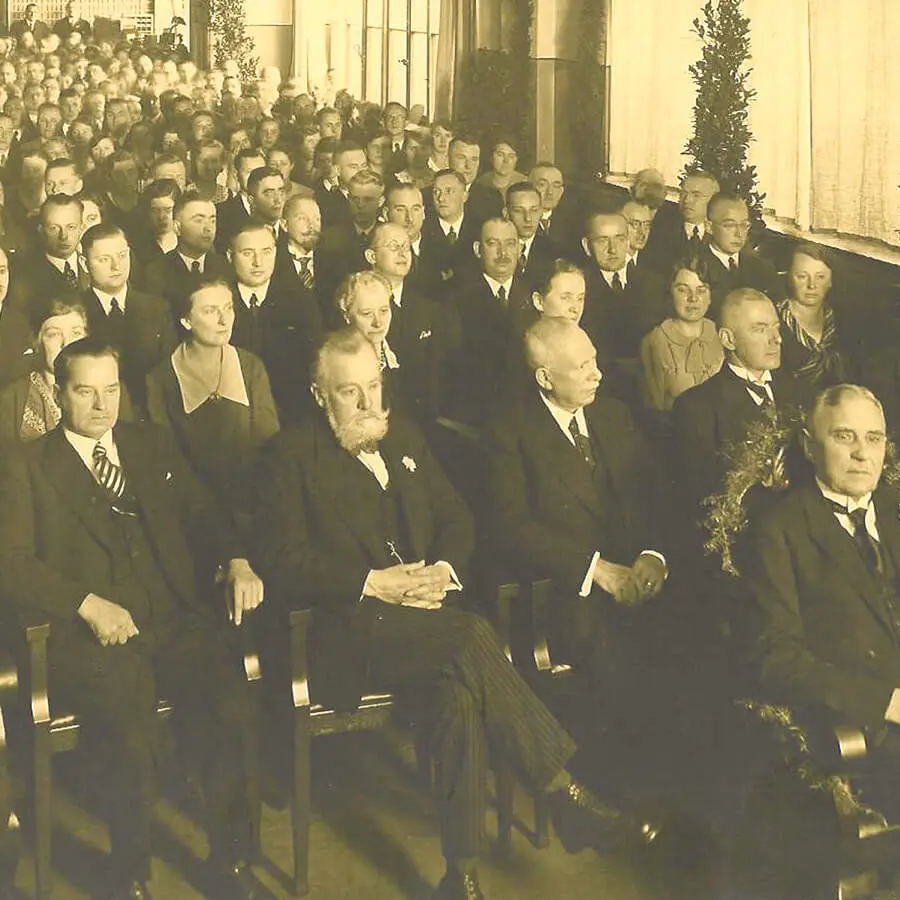
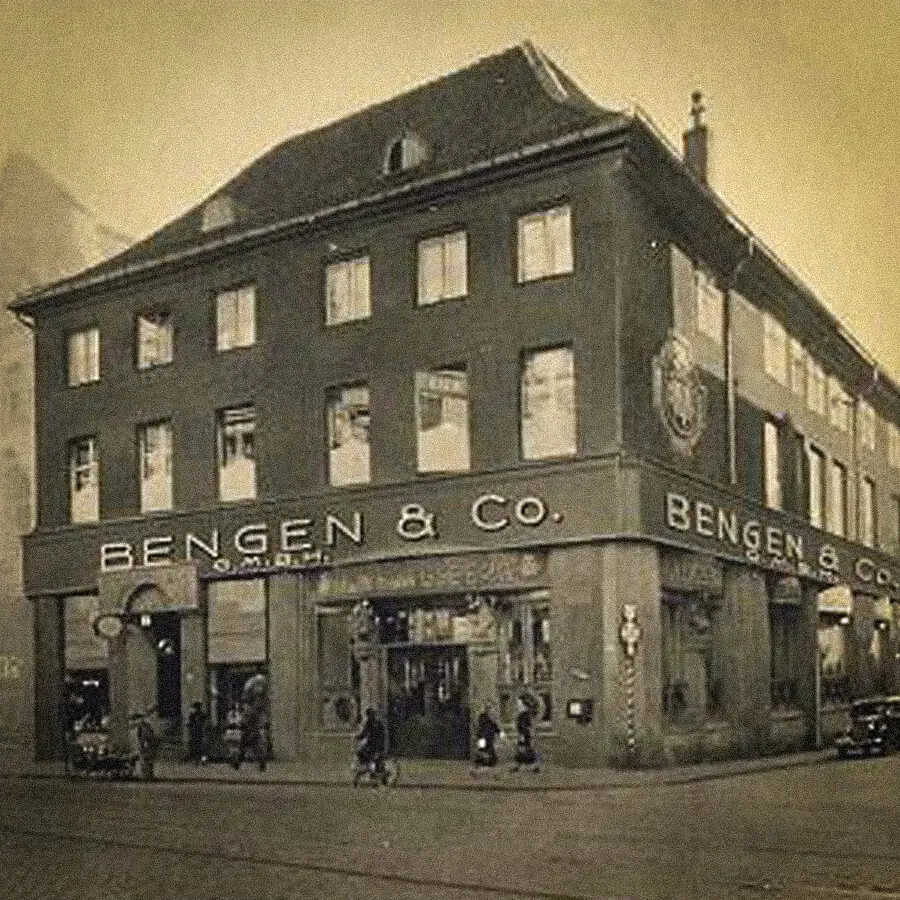
The WDT grew, so that in 1910 it was decided (with a membership of 763) to move the headquarters from Poznan to Berlin. For the first time, the Supervisory Board also consisted of colleagues from all parts of Germany. Just one year later, the company acquired a stake in "Bengen & Co" from Hanover, which had been producing "extracts, veterinary preparations, drugs and chemicals" since 1890.
1911
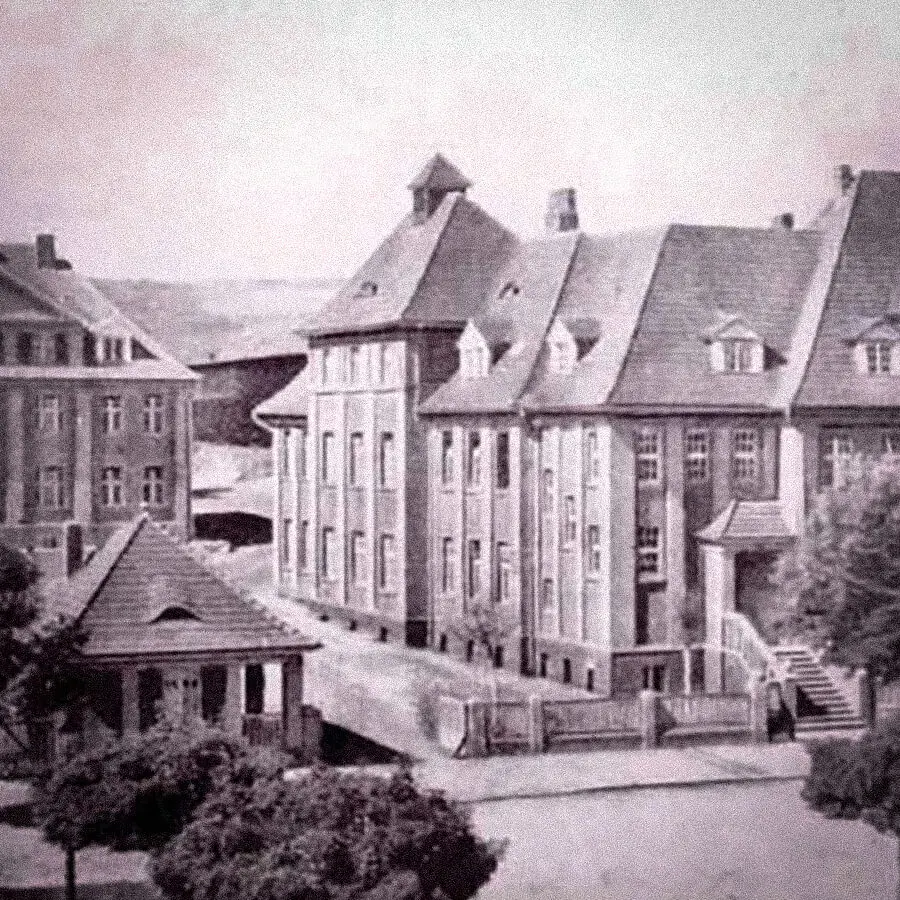
Participation in the company Bengen & Co from Hanover and in the serum institute Dr Schreiber GmbH in Landsberg
A cooperative serum institute was not formed until 1911, when WDT took over the "Bakteriologische und Seruminstitut Dr. Schreiber GmbH" from Landsberg a.d. Warthe (then Prussia, now Poland). To this day, the WDT still owns a serum institute, one of the few in Europe, as there is still a need for life-saving serums for humans and animals despite many advances in the biotechnological field.
25 years after its foundation, around 90 % of all practising veterinarians were members of the WDT.
1912 and the First World War
Relocation of the company headquarters to Hanover
At the end of 1912, WDT took over all shares in the company "Bengen & Co" and decided to relocate the company headquarters to Hanover. WDT survived the war years 1914 - 1918 largely unscathed, even though Marks returned from the front to find empty storerooms and 3,500 unfulfilled orders. Marks invested all the remaining funds in raw materials and machinery. After paper money became worthless almost overnight, it became clear how wise this decision was. The comrades also benefited directly; for some, the shares were the only capital they still had.
1924
Foundation of Seropharm AG Danzig
In 1924, Marks founded a subsidiary in Danzig, Seropharm AG, a step that had become necessary following the cession of the German territories in the east as part of the Treaty of Versailles. A short time later, the Serum Institute in Hohenstein, then East Prussia, was added.
1925
Production in Hanover, Dreyerstrasse
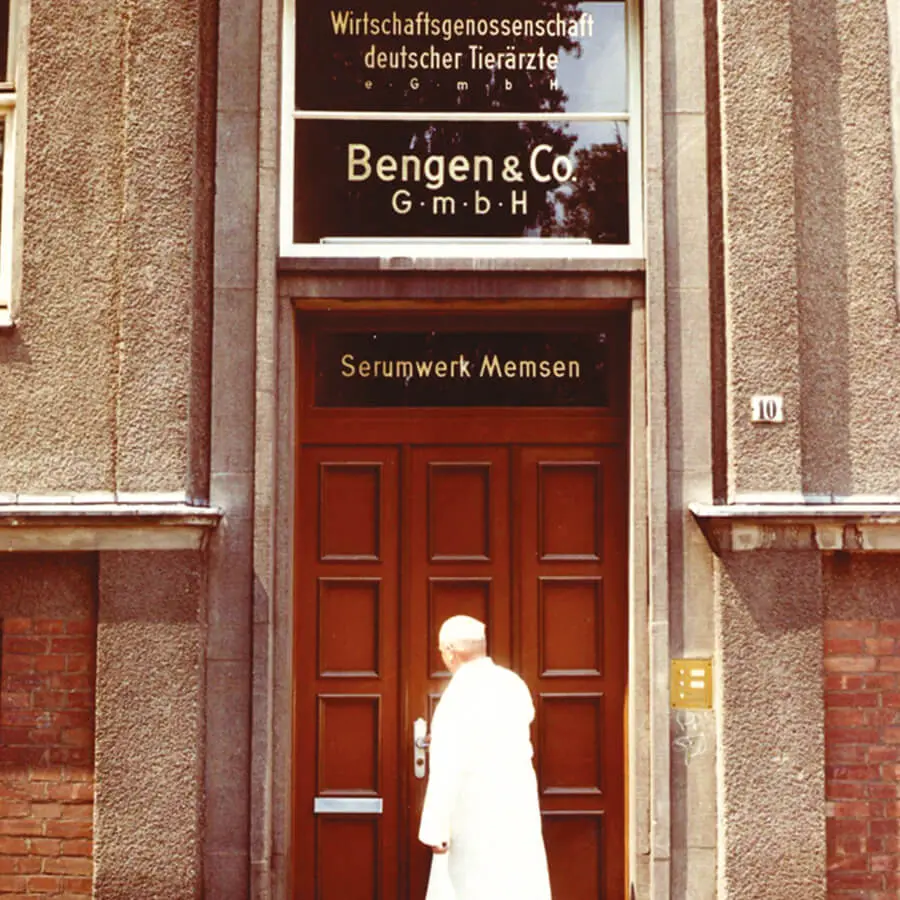
In the spring of 1925, WDT acquired a former margarine factory in the centre of Hanover. The strong growth in membership and the associated increase in production made this expansion necessary. WDT now employed 150 people, including four travelling salesmen who drove all over Germany. In the meantime, the WDT was also supplying its members with food and other items such as cigars, wine, toothpaste and cologne.
1930
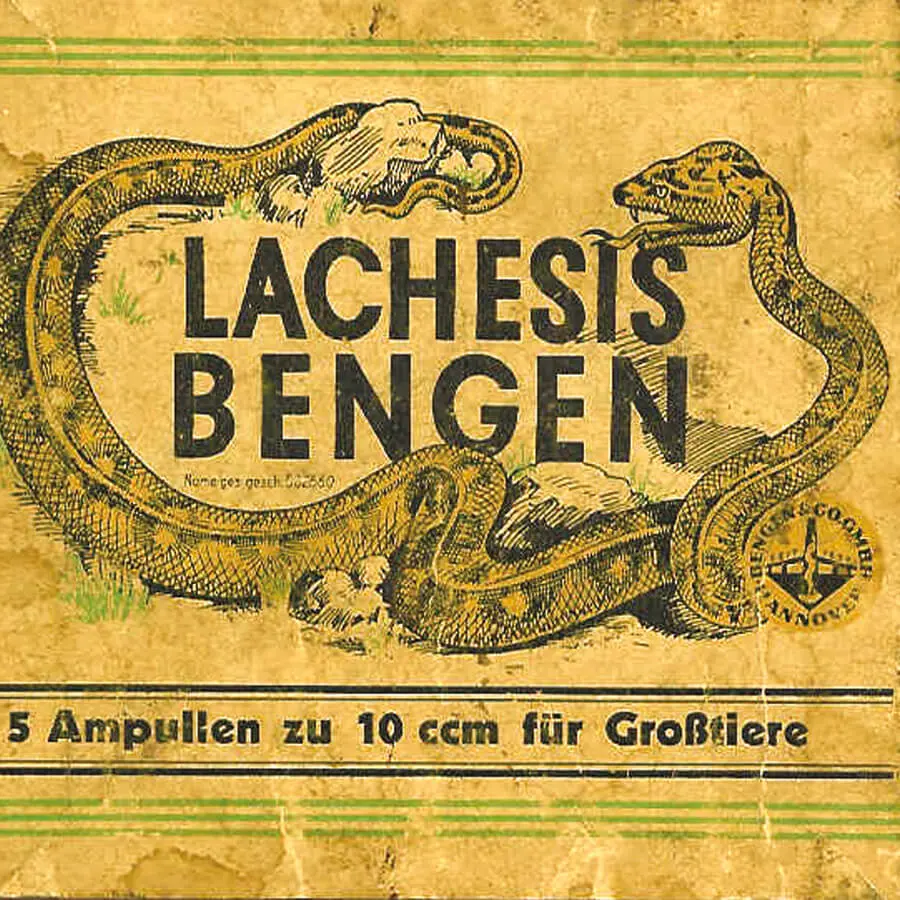
Representative meetings had now been held for several years. In 1930, the Bavarian members founded an "Interest Group of Bavarian Comrades" within the WDT. The bestseller was "Lachesis Bengen", a homeopathic remedy for large animals. A separate homeopathic department was set up in 1937 to meet the growing demand. The Landsberg Serum Institute now produced over 40 different "serums and vaccines, extracts and cultures". Economically, the WDT was doing well at this time.
During the war, the WDT was required to produce tetanus serum for the soldiers.
1943/44
Destruction of the buildings in Hanover
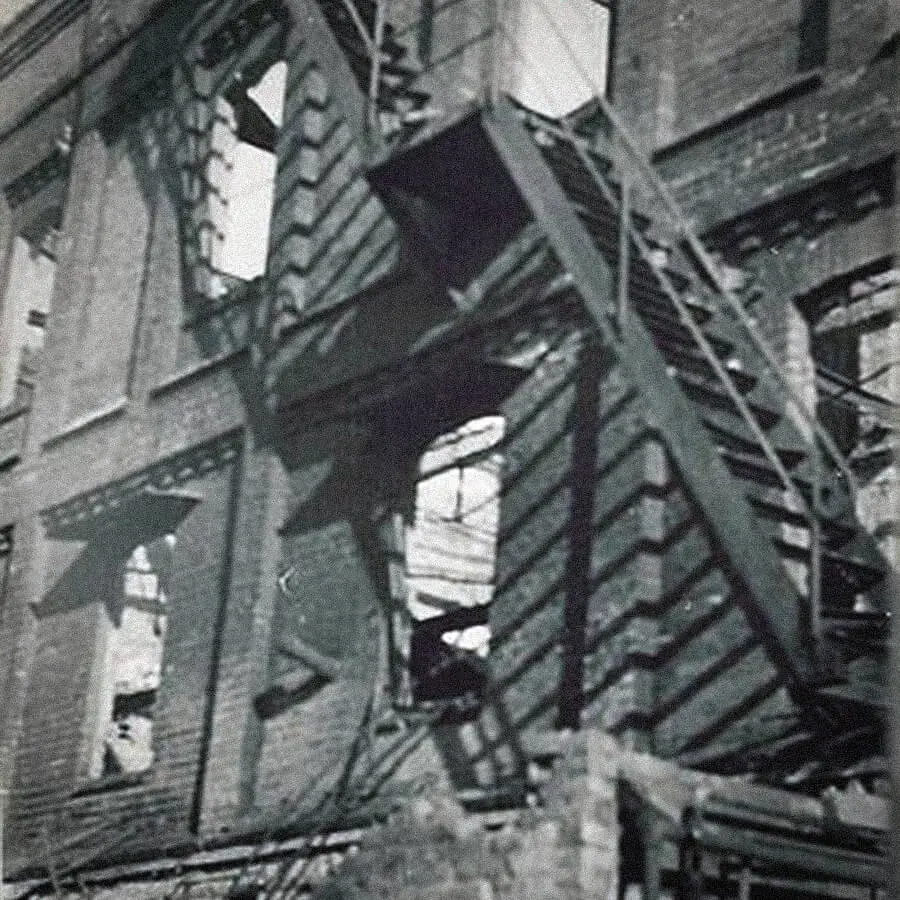
In October 1943, 90% of the production facility in Hanover was destroyed in a bombing raid. Despite the lack of raw materials and the bombing, WDT managed to continue supplying vets. Alternative production facilities were found in Hamelin and a small part of the production could be resumed even in the ruins in Hanover.
In 1944, the branch office in Königsberg and the last intact production building in Hanover were destroyed.
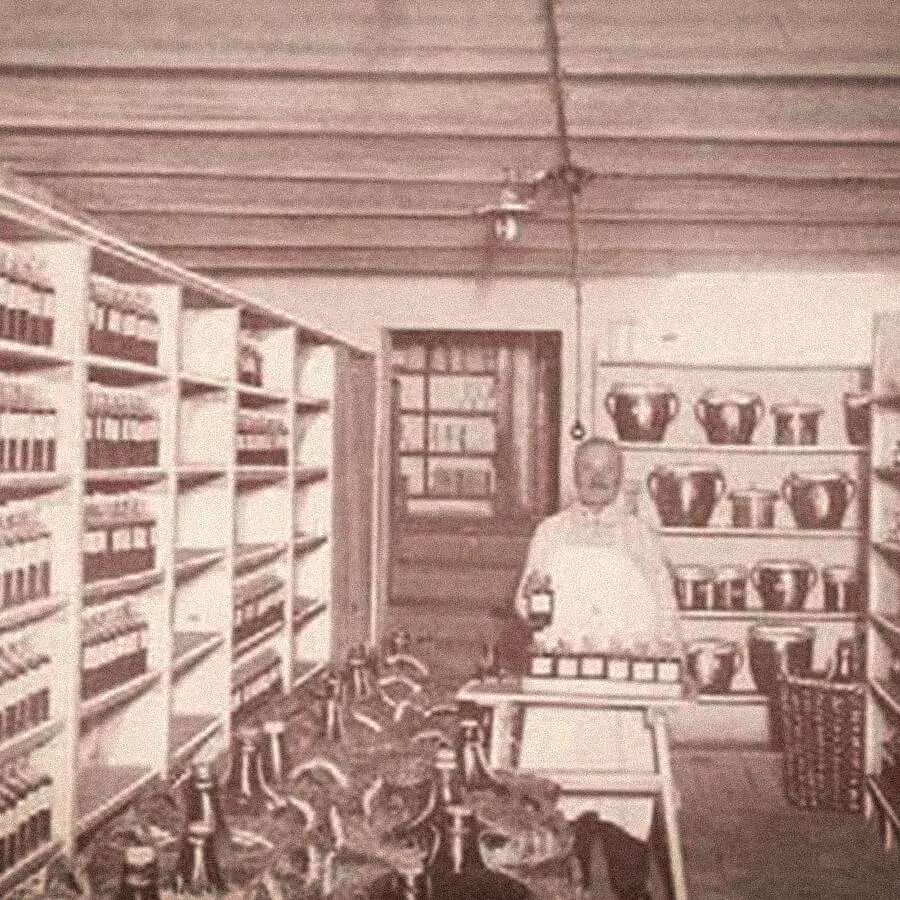
1945
In January 1945, the Russian army captured Landsberg and with it the Serum Institute. All usable inventory, including the library and modern self-drinking equipment, was dismantled and taken to Russia. Seropharm AG in Danzig and the Hohenstein Serum Institute also had to be abandoned.
All former employees of the eastern companies who had survived and wished to do so were employed by Bengen & Co in Hanover. Not without problems.
One former Seropharm employee wrote to her old boss Arthur Reinstorf: "The Hanoverians all seem to be rather strange people for the most part."
1945-1960
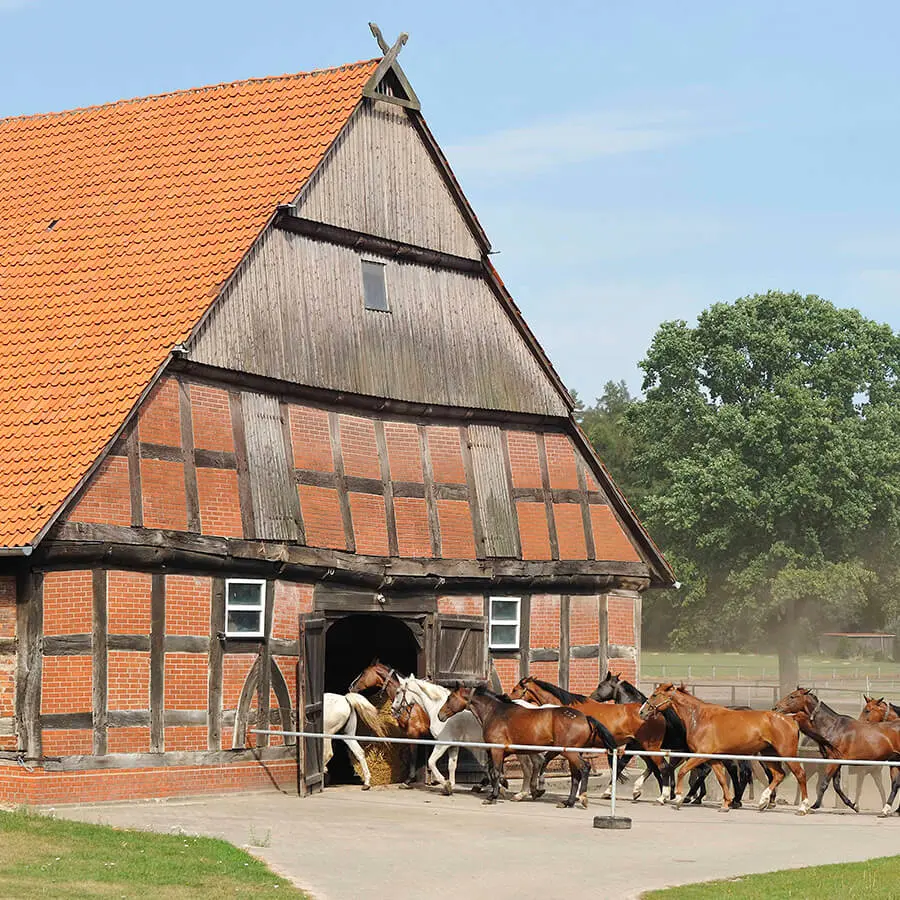
After the war, there was no shortage of orders, but the problem was obtaining the necessary raw materials. Production was still carried out in the ruins in Hanover and, until 1949, also in Hamelin. Some vaccine serums were produced at the Institute of Hygiene at the University of Veterinary Medicine (TiHo). A new building was constructed in Hanover with the help of the members and the annual profits. The Memsen estate in the district of Nienburg/Weser was leased in 1947 so that serum and vaccine production could be resumed. The former private stud farm of the Duke of Brunswick-Lüneburg, founded in the 17th century, is still owned by the WDT today and is a production site for vaccines and equine serums. In 1951, for the first time since the end of the war, members were able to receive a dividend and a reimbursement for goods. The WDT now had 6,020 members. Further distribution centres were established in the west and south to meet the needs of the veterinary profession.
1960-1980
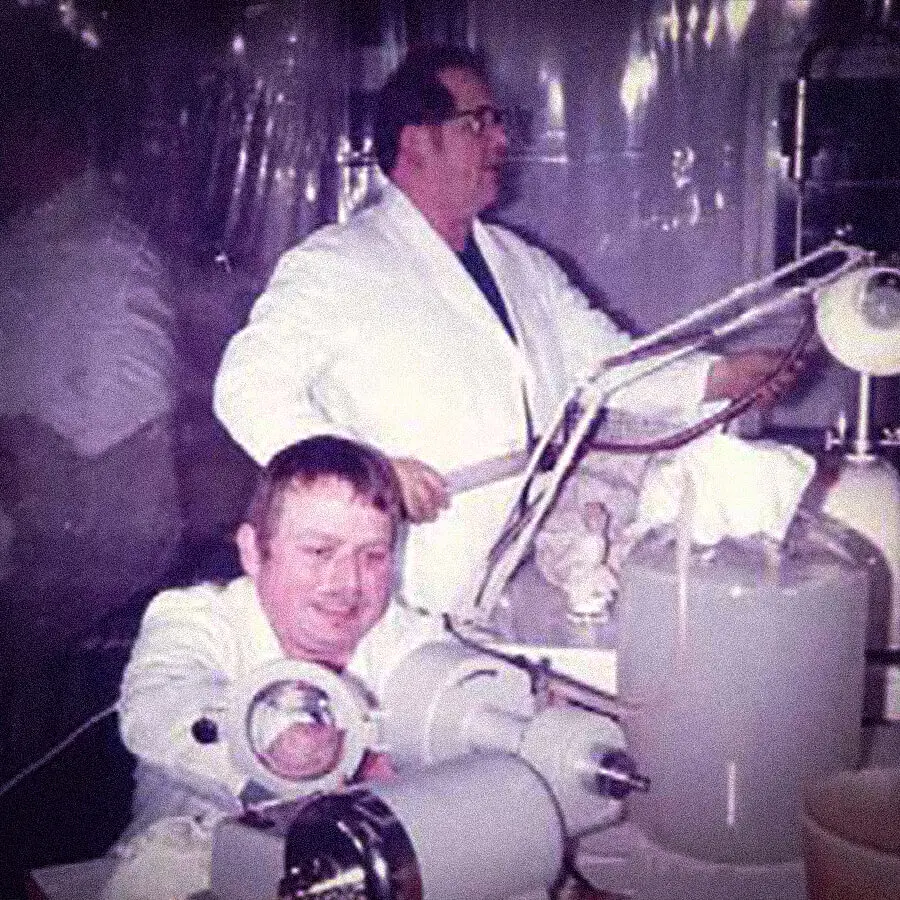
A change in the law in 1961, the new Medicines Act, prohibited the WDT from supplying members directly with pharmaceuticals. To circumvent this problem, the Pharmaceutical Trading Company was founded. The first computerised system was introduced at WDT in 1965 with the punch card system. When new punched cards, the data carriers of the time, were delivered, production came to a standstill and all the men were busy unloading the heavy packs of punched cards. At that time, almost all practising vets in Germany were members of WDT. In 1972, a new production facility was opened in Hildesheim, where contract work was carried out for the Albrecht company, for example. During this time, WDT had an extensive tablet production and produced arsenic and johimbine tablets, among others. The best-selling products at the time were the rumen stimulant and a hydrogen cyanide euthanasia agent for dogs.
1980s
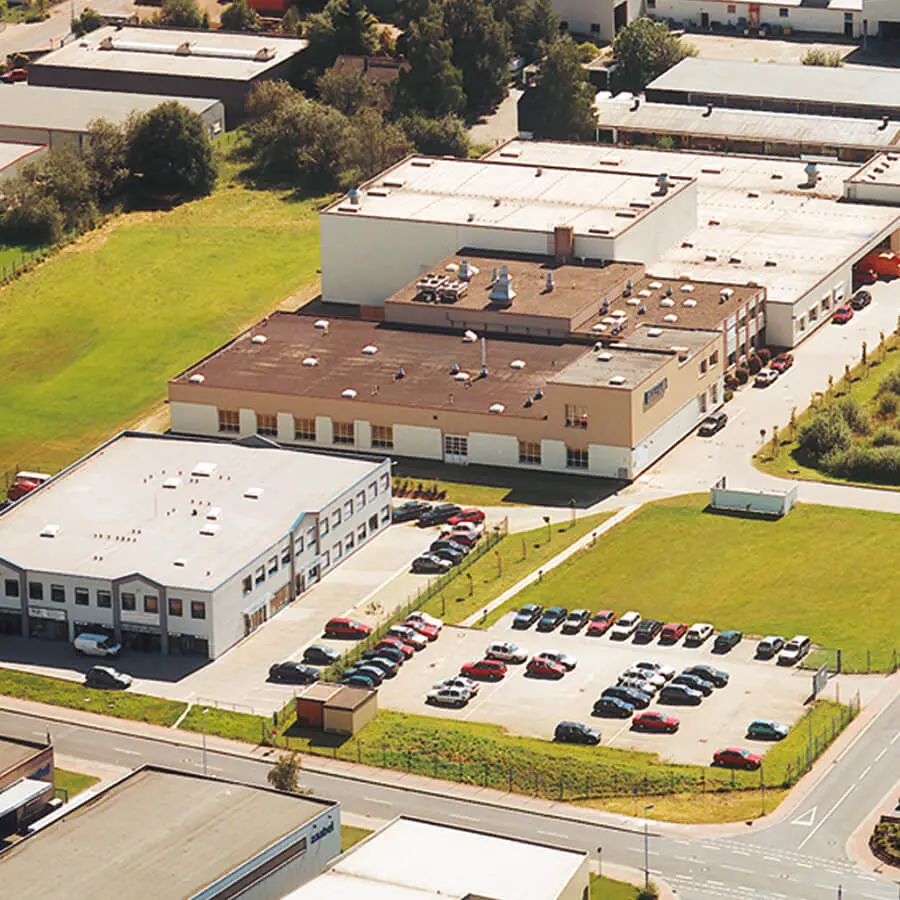
Production in Garbsen-Berenbostel
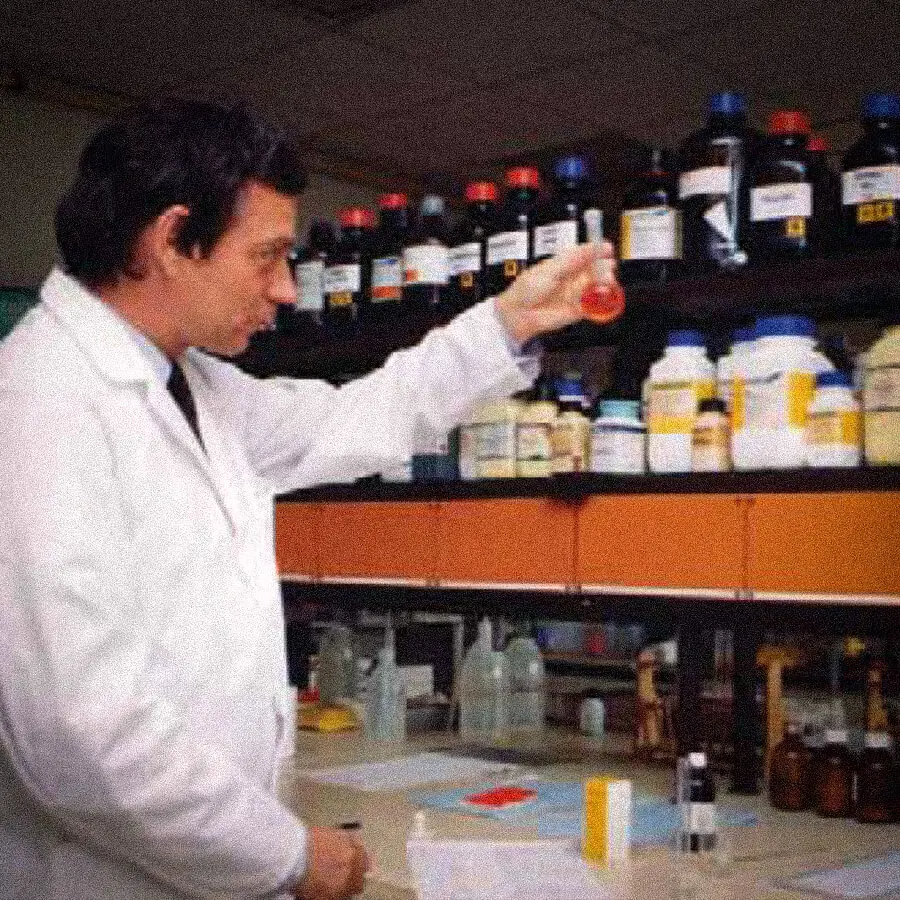
In the 1980s, most of the regional distribution centres and the production facility in Hildesheim were closed. Production was relocated to Garbsen-Berenbostel, a suburb of Hanover and today's company headquarters. The following years were economically difficult for WDT. WDT lost lucrative contract orders, entire batches of udder injectors had to be recalled due to yeast contamination, the major vaccines Multigal S and Polygal SV did not receive official approval and the market launch of a dog diet developed by the TiHo flopped due to acceptance problems. In addition, more competition emerged in the pharmaceutical market.
1992
Relocation of administration and logistics to Garbsen-Berenbostel
At the beginning of the 90s, the administration and logistics were also relocated from Hanover city centre to Garbsen. The buildings in Hanover were in a desolate state and the move was absolutely necessary. The logistics move did not go smoothly and in order to be able to supply customers at all, many employees worked overtime and also packed parcels at weekends. In the 1990s, the range of practice supplies was significantly expanded and WDT was once again able to offer its members a full range of products.
1993
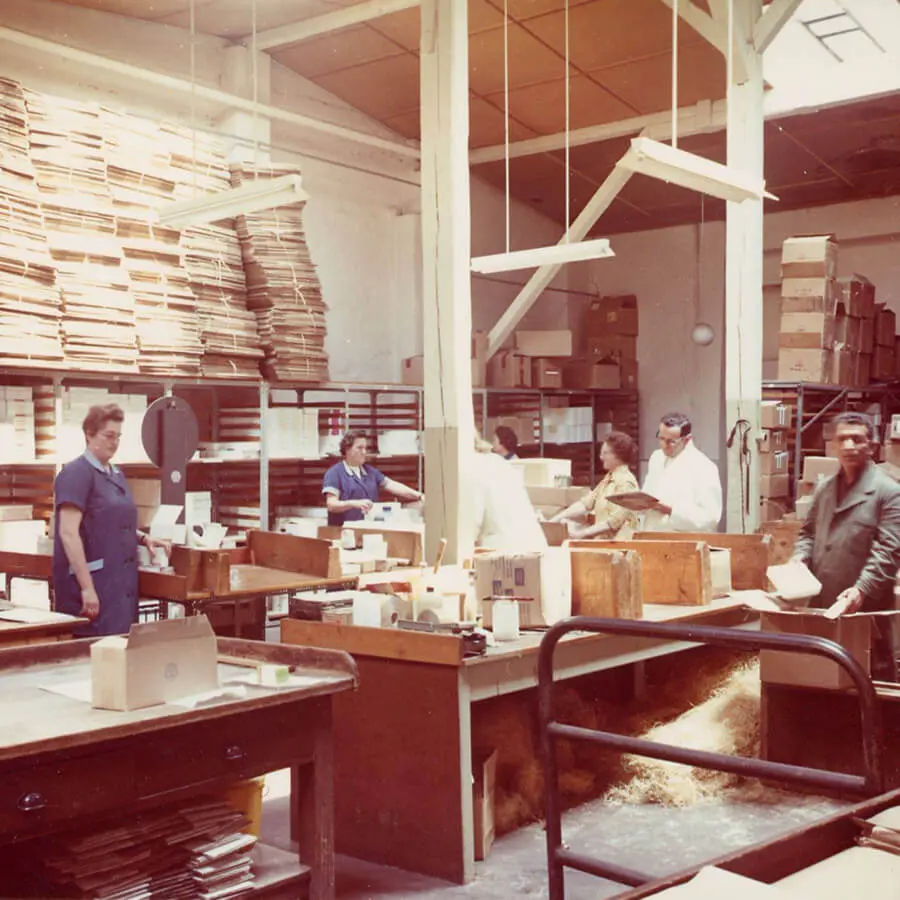
Wholesale of veterinary medicinal products
Also in the 1990s, the veterinary profession showed great interest in a wholesale structure for veterinary pharmaceuticals. After initial reluctance on the part of the large pharmaceutical companies, WDT was able to gain Bayer as its first wholesale partner in 1993. Also in 1993, WDT was the first company in the industry to introduce reusable boxes for despatch. The foldable, red boxes were so well received by the veterinary profession that many did not make it back to Garbsen. The system therefore had to be discontinued after a few years. 30 years later, the WDT introduced circulation boxes again, this time with a deposit and tracking system. Today, the boxes achieve an average of 50 rotations before they are recycled and turned into new boxes.
1996
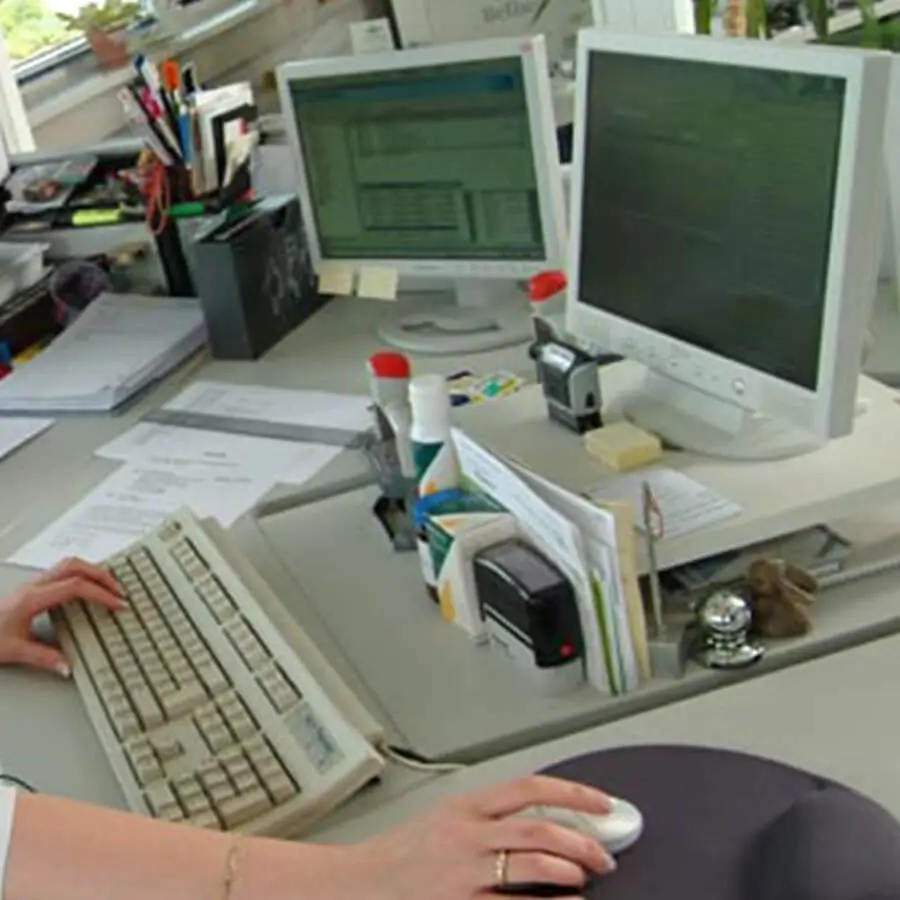
Catalogue on CD-ROM for the first time
In 1996, WDT published the first digital catalogue on CD-ROM, at a time when not every veterinary practice was equipped with a PC. Orders could now also be transmitted digitally for the first time.
2000s
The WDT ordering programme was continuously developed and the latest version was introduced in 2003 as "catforDocs". Ten years after its introduction, "CatforDocs Multi" followed. Now, for the first time, it was possible to order from other manufacturers via the WDT ordering programme. The first WDT website went online in 1998. An online shop was also integrated here in the early 2000s, but it did not play a major role compared to "catforDocs".
2015
In 2013, WDT founded "Dankedoc.de", an ordering platform for pet owners, which became Tierarzt24.de in 2015.
2018
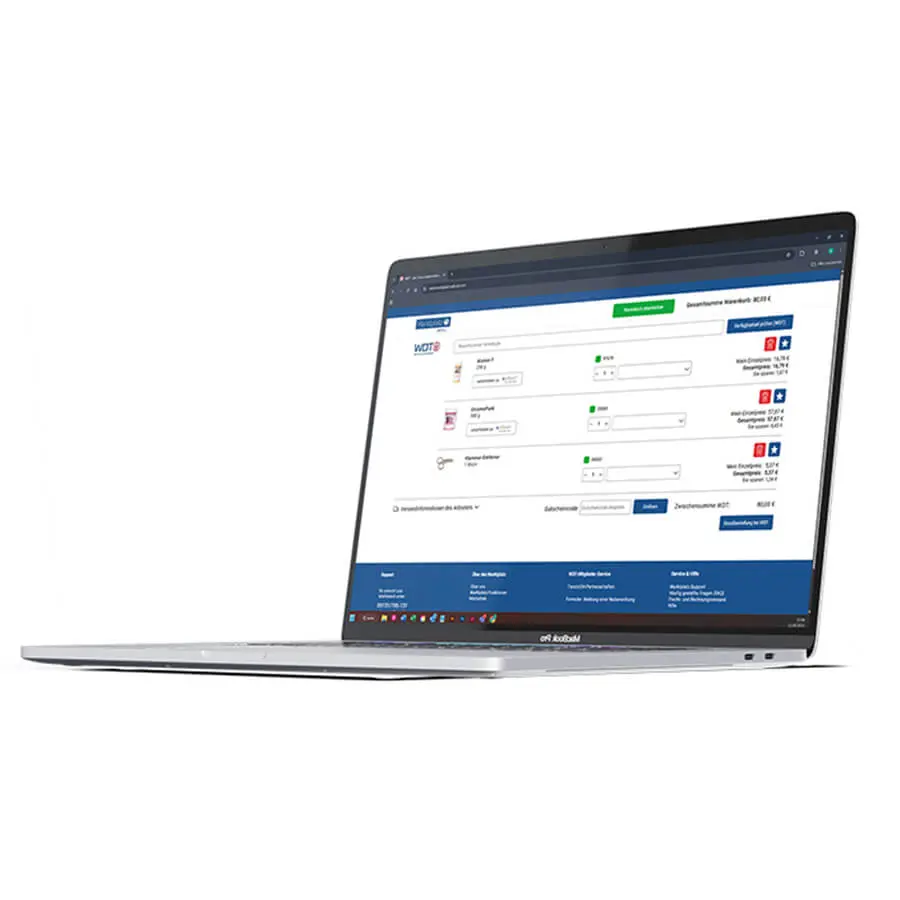
The role of an online shop only changed in 2018 with the introduction of the "marketplace", which is now the leading ordering platform for veterinary supplies.
2021
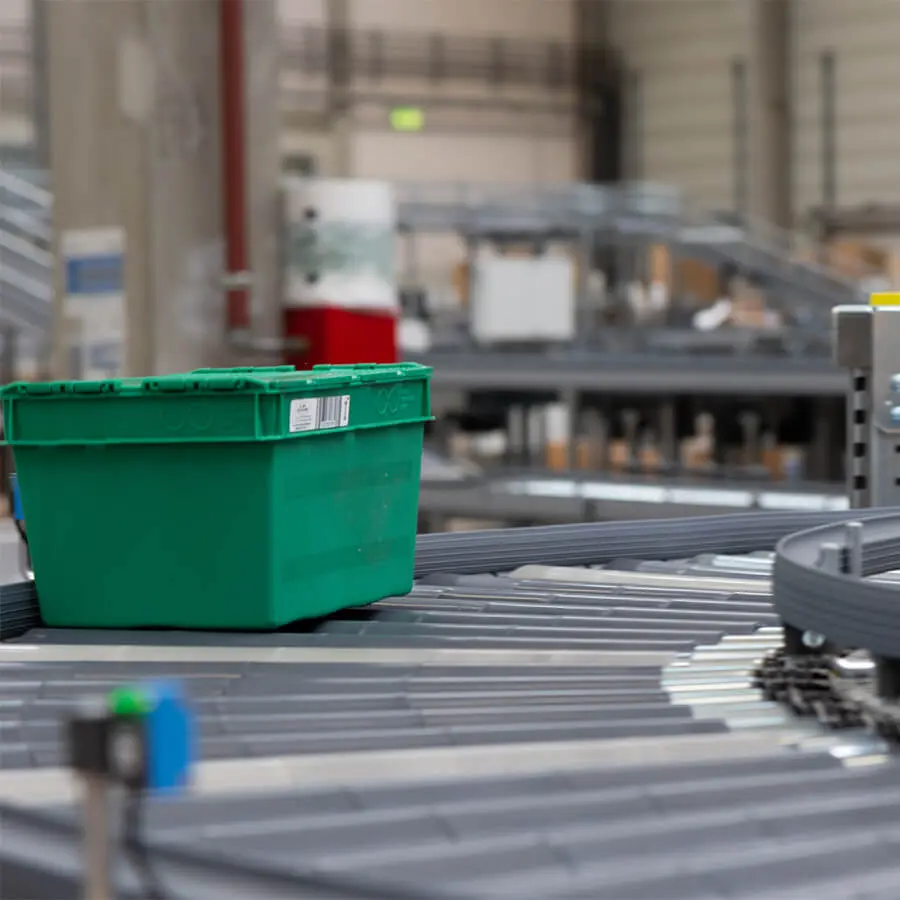
Just a few kilometres from the company headquarters in Garbsen, in Wunstorf, WDT opened its first logistics centre specifically for veterinary medicine in 2021 with VetLogOne GmbH, thereby taking another pioneering step.
2024
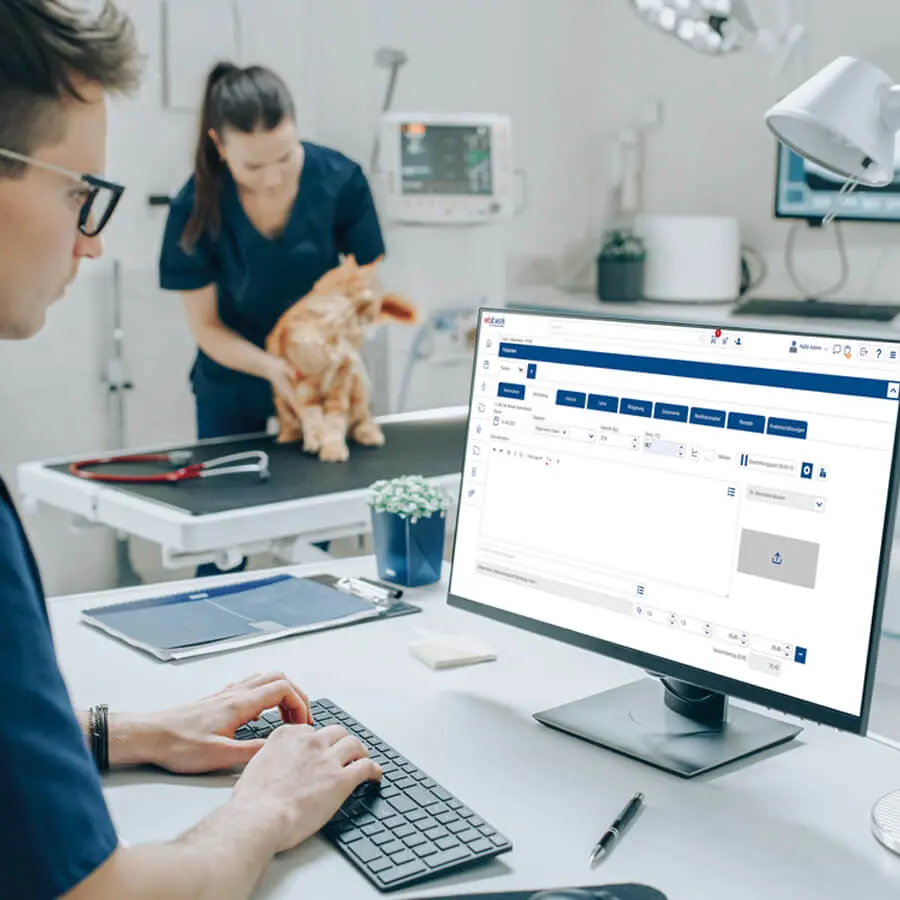
WDT's latest project is the cloud-based practice software vetat.work, which was launched in 2024.
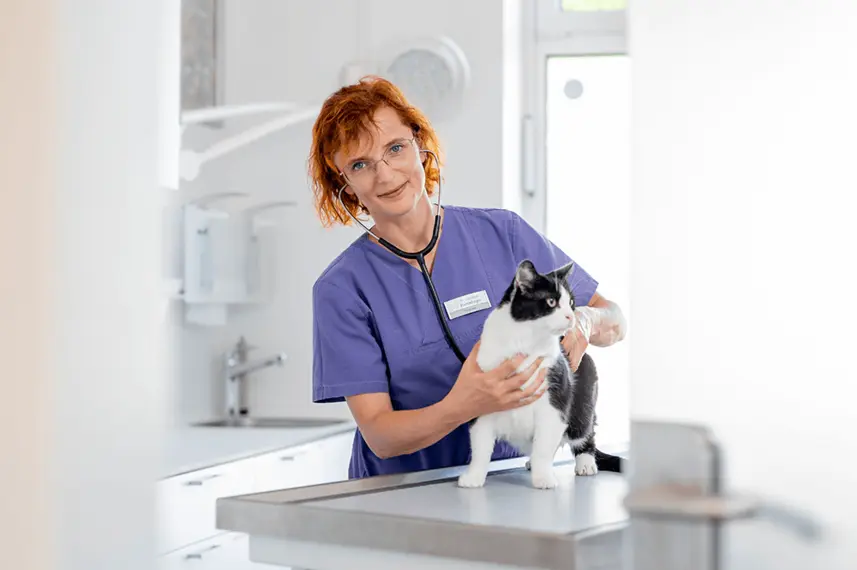
Become part of the future of WDT
WDT can look back on a long history that would not have been possible without its committed employees and members. Become part of the WDT future and benefit from having a future-proof company at your side. Whether as part of the WDT workforce or as a vet in the cooperative.