The oral cavity of the horse
Which examination is carried out during routine dental treatment?
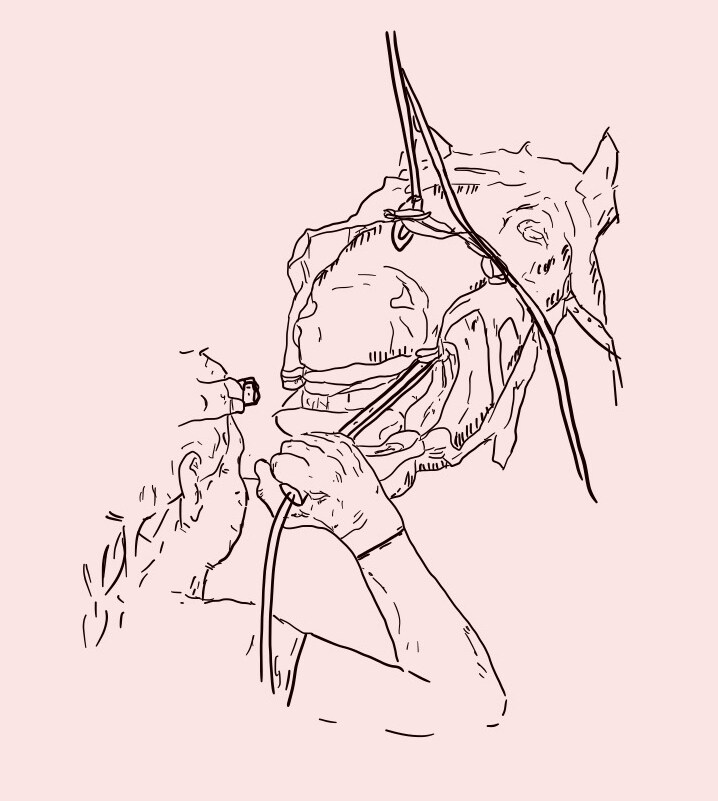
When examining the oral cavity (Fig. 1, Fig. 2), it is important to rely on your senses. Adspection and palpation can provide an initial assessment of the dental arches. By checking the occlusion, acoustic stimuli can be perceived and the nasal perception of a possible foetor ex ore (odour from the oral cavity) can provide initial indications of pathological conditions in the area of the oral cavity. The findings are correlated taking into account the signalling and the medical history.
Routine dental treatment includes
- Signalling and medical history
- Sedation of the dental patient
- Adspection and palpation of the bony head of the horse and the neighbouring soft tissue structures
- Adspection of the incisors (correction may be necessary before step 5)
- Washing out the horse's mouth and inserting the mouth guard
- Adspection and palpation of the oral cavity with a headlamp, dental mirror (Fig. 3a) and/or oral cavity endoscope (Fig. 2)
- Dental probes (Fig. 3b): blunt for interdental spaces/pockets, pointed for infundibula/pulp positions
- Tooth correction using dental rasps (molars and incisors)
Tip:
Routine dental treatment in horses should be carried out at least once a year, taking into account the individual circumstances and specific needs.
Good to know
A horse's teeth are subject to physiological tooth wear throughout its life. Before tooth wear begins, a horse's molar tooth is 10-12 cm long.
Which instruments are required for molars?
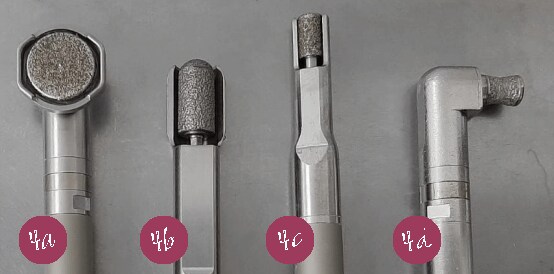
Unlike the incisors, which are primarily responsible for grasping food, the molars (premolars and molars) form a functional unit as a closed row of teeth. This serves to crush and grind the food. In order to maintain the physiology of this functional complex, targeted adaptation of the chewing surface is essential to maintain the chewing mechanism. The appearance of tooth hooks and edges in particular can lead to painful lesions in the cheek and tongue mucosa and result in an altered chewing process. The veterinarian uses the disc (Fig. 4a) or roller bur (Fig. 4b and c) for the chewing surfaces and larger tooth ramps. Due to its shape, the Apple Core (Fig. 4d) is particularly suitable for correcting the lateral and medial tooth surfaces.
Good to know
However, caution should be exercised at all times when treating the molars, as sensitive structures such as the dental pulp could be opened if the milling is too radical. Even in the case of more severe changes to the chewing surfaces, such as a wavy bite, these should only be adjusted gradually. Soft tissue structures of the oral cavity, such as the cheek and palatal mucosa and the tongue, must be protected from injury by the dental rasps. It should also be taken into account at all times that the tooth substance that has been rasped away by the iatrogenic dental treatment is not replaced. The motto here is: As much as necessary, as little as possible.
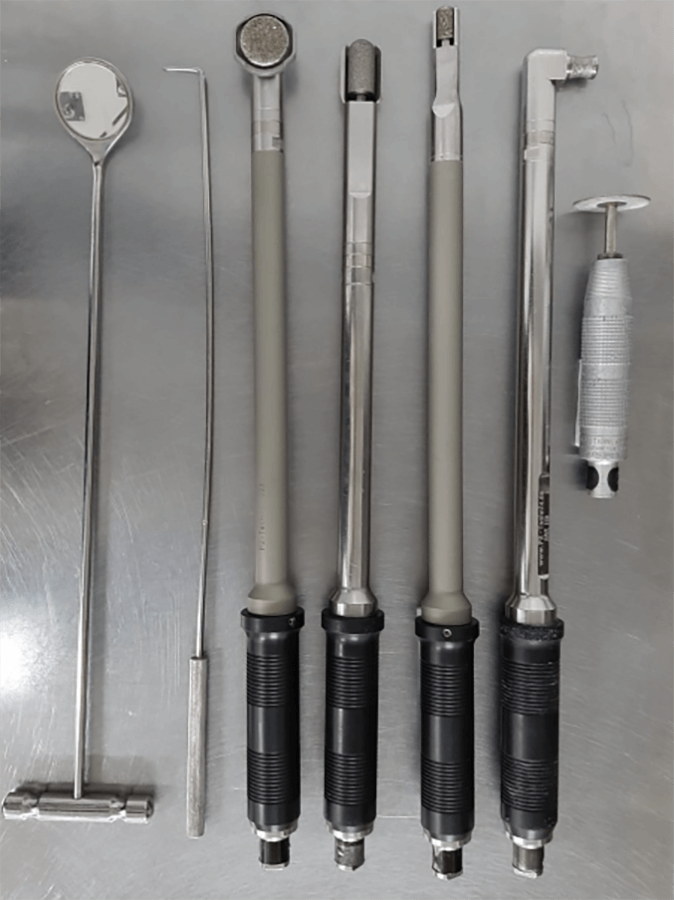
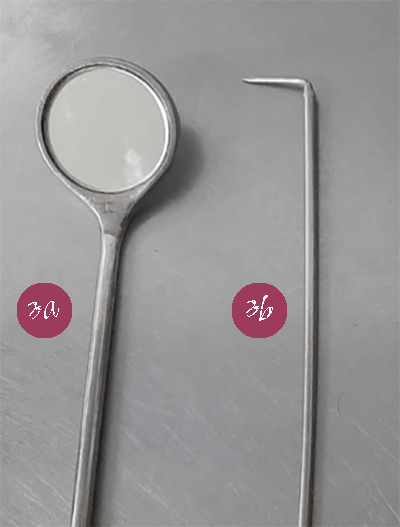
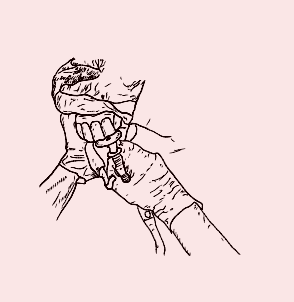
With the aid of dental probes (Fig. 3b), finer and less accessible structures in the oral cavity can be examined more easily. Wedged food debris can be removed with blunt dental probes and tooth pockets and any diastemas that may have formed can be probed. Pointed dental probes are particularly suitable for probing pulp positions and the infundibula, which is located exclusively in the upper jaw. These are the cement cups surrounded by enamel folds.
Tip:
Thorough cleaning of the dental instruments and regular lubrication of the dental rasps increases the longevity of the instruments.
Glossary
Diastema refers to the congenital or acquired spaces between neighbouring teeth in a row of teeth. These can be open or valve-shaped. In the area of the arches, the diastema is physiological.
The infundibula is the term used to describe the cement-filled invaginations of the tooth enamel that are located on the occlusal surface of the incisors and molars of the upper jaw.
The occlusion is the spatial relationship between the upper and lower jaw during the chewing process. It is important in order to maintain the "3-point balance" consisting of the contact points of the temporomandibular joint, rows of molars and incisors. The occlusion ensures physiological tooth wear and the chewing mechanism.
The pulp positions correspond to the localisation of the dental pulps of the respective tooth. The pulp cavity (cavum dentis) with the dental pulp contains the sensitive structures of the tooth, such as the blood vessels and nerves.
Good to know
Specialised instruments are required for specific dental treatments, such as incisor/wolf tooth/molar extraction, milk cap removal or the treatment of diastemata. In the case of the dental disease EOTRH (Equine Odontoclastic Tooth Resorption and Hypercementosis), which is particularly common in robust horse breeds, the final treatment always involves extraction of the affected teeth using specialised instruments.
Which instruments are required for incisors?
A diamond-set disc (incisor disc, Fig. 5) is used to adapt the occlusal line and surfaces in the area of the incisors (incisors).
Treatment of the incisors in horses is indicated in cases such as
- a deviating dental arch
- overlong, tilted or rotated incisors
- an overbite or underbite
Short and sweet
A specially developed set of instruments is used for routine dental treatment of horses. The aim is to maintain and, if necessary, restore the physiological chewing mechanism. A horse with no known dental disease or symptoms should generally visit the vet annually for a mouth examination and routine dental treatment.
All images © Nele Hamer